
What are the early warning signs of a full septic tank?
The first sign is usually slow drains in more than one fixture at once. If your kitchen sink and your shower both back up the same week, that is not a coincidence, that is a tank telling you something. Gurgling noises from pipes after a flush point to trapped air fighting wastewater that has nowhere to go. Standing water or a soggy patch over the drain field, even in dry weather, means effluent is surfacing instead of draining down. A sewage odor near the tank lid or the yard, especially after rain, is often the clearest sign of all. West Coon Rapids sits on soil that drains differently lot to lot, so a system that has worked fine for years can suddenly show stress after heavy rain events, and property owners comparing septic tank pumping cost against a full drain field repair should factor that variability in. If you are already noticing two of these at once, treat it as urgent rather than routine, and look at emergency septic service instead of waiting for a scheduled visit.
How often should a septic tank be pumped?
Every 3 to 5 years for a standard 1,000 gallon residential tank, with the exact interval driven by tank size and household size. A household of two in a well-sized tank might stretch toward the 5 year mark, while a larger family pushes closer to 3, and event sites or rental properties running a septic pumping service on a fixed schedule tend to avoid surprises entirely. For a fuller answer on your own schedule, see how often to pump a septic tank. Commercial kitchens are a different story entirely: a grease interceptor needs pumping once fats, oils, grease and solids reach 25 percent of the liquid depth, which can happen well before any calendar date arrives. If your property runs a kitchen or food service operation anywhere near Coon Rapids, pair your septic schedule with grease trap pumping rather than treating them as one system. Homes closer to Anoka, about 5.8 miles northwest of West Coon Rapids, and Andover, roughly 6.9 miles north, often share similar soil conditions, and pumping intervals there tend to track the same 3 to 5 year window.
Why does my yard smell like sewage after it rains?
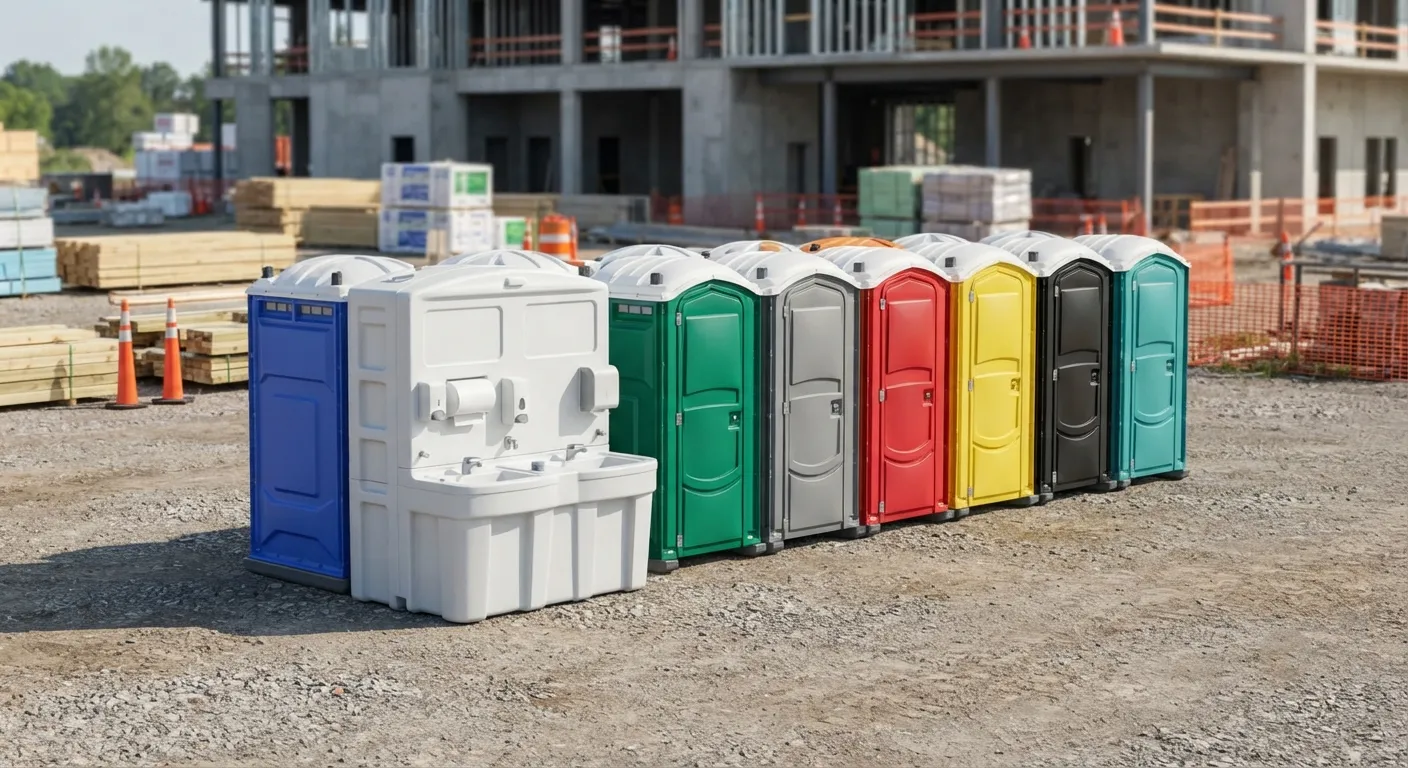
Rain raises the water table and can push a struggling drain field past its capacity, forcing odor and effluent to the surface faster than dry-weather failures do. This is the single most common call West Coon Rapids Porta Pros gets after a heavy storm, and it is worth reading the general porta potty placement guide too if you are also managing portable sanitation on the same property. A healthy system should not smell under normal rain, so a strong odor is a sign the tank is at or near capacity, or that the drain field itself has started to fail. Waiting rarely helps here. A tank that surfaces effluent during rain today will surface it again during the next storm, and each cycle stresses the drain field further. If pumping does not resolve the smell within a short window, the drain field itself may need evaluation, which sits outside routine septic pumping service and into a bigger repair conversation. Renters, landlords and property managers who need a stopgap while repairs are scheduled should look at a holding tank rental to keep a property functional in the meantime, and larger properties can add a handwashing station rental to cover sanitation while the drain field is offline.

Do I need a bigger tank or just a pumping schedule?
Most warning signs point to a scheduling problem, not a sizing problem, so start with septic tank pumping cost before assuming you need a system upgrade. A tank that was correctly sized when installed rarely outgrows a household unless the household itself has grown substantially, added a laundry room, or added bathrooms. What changes more often is habits: more loads of laundry, more dishwasher cycles, more people living in the house than when the system was designed, similar to how a job site outgrows its standard porta potty rental count as crew size increases. Before spending on a bigger tank, get a straightforward septic tank cleaning and see whether the same warning signs return within weeks rather than years. If they do, that is real evidence of undersizing. If they do not, you likely had a maintenance gap, not a capacity problem.

Pumping and support pricing
| service | duration | low | typical | high |
|---|---|---|---|---|
| septic pumping | day | $150 | $250 | $300 |
| septic pumping | weekend | $50 | $100 | $150 |
| holding tank delivery fee | day | $100 | $150 | $500 |
Property owners managing a larger job site near West Coon Rapids, whether that is a renovation, a construction project, or an event, often need septic support alongside other rentals. Pairing a portable toilet rental with septic service during a repair keeps a property usable while the drain field issue gets resolved, and a restroom trailer rental is worth considering if the repair stretches into weeks. Construction crews should also check OSHA portable toilet requirements under OSHA 1926.51(c), which sets toilet ratios by crew size, since a failing septic system on an active job site can affect more than one household's convenience. If you are unsure what your property needs, request a quote and describe the warning signs you are seeing, or browse construction site services if the issue is tied to an active build.
How much does septic tank pumping cost in West Coon Rapids?
Pumping typically runs $150 to $300 for a day-rate visit, per the table above. Costs shift with tank size, access, and how much buildup has accumulated. See septic tank pumping cost for a full breakdown before you schedule, and check the service areas page if your property sits outside West Coon Rapids proper.
Can I use my toilets while waiting for a septic pump-out?
Limit use if you are already seeing backups or standing water, since more water in a full tank makes the problem worse. A short-term holding tank rental keeps the household running without straining the system further.
What causes a septic tank to fail early?
Overloading with more water than the system was designed for is the top cause, often from added bathrooms or laundry habits. Tree roots and old pipe damage also contribute. A septic tank cleaning visit can confirm which applies to your system.
Is a bad smell always a sign of septic failure?
Not always, but a strong sewage smell after rain, described above, is one of the more reliable indicators. Occasional faint odor near the tank access lid is normal; a persistent yard-wide smell is not.
Who do I call for a septic emergency in West Coon Rapids?
Call emergency septic service if you have sewage backing into the house or pooling in the yard. West Coon Rapids Porta Pros treats backups and surfacing effluent as urgent, same-day issues rather than routine scheduling.
Next step
Get a delivery date
Tell us the address, the dates and the headcount. We size the order and confirm the route.