
How much does septic tank pumping cost?
A standard septic pumping visit falls between 150 dollars on the low end and 300 dollars on the high end, based on tank access, tank size and how much sludge has built up. Weekend calls run 50 to 150 dollars, reflecting the premium for scheduling outside a normal work week. West Coon Rapids homeowners on well-drained lots with easy riser access usually land toward the lower end. Homes with buried lids, long driveway runs, or tanks that have gone past the usual 3 to 5 year window tend to cost more, because the crew spends extra time locating and uncovering the tank before pumping starts. If you are also dealing with a slow drain, gurgling toilet or standing water near the drain field, check septic tank warning signs before you call, since a full inspection sometimes turns into a same-day pump job. Businesses running kitchens should ask about grease trap pumping separately, since a grease interceptor gets pumped once fats, oils, grease and solids reach 25 percent of the liquid depth, and that is a different job than tank pumping.
What affects septic tank cleaning prices?
Tank size, access, and buildup drive most of the swing in septic tank cleaning prices. A 1,000 gallon tank pumping cost sits near the middle of the standard range, while smaller tanks on easy-access properties trend lower. Homes that have gone longer between services often have more solids settled at the bottom, which adds time to the job. Distance matters too. West Coon Rapids sits close to several communities we already serve, including Anoka at 5.8 miles northwest and Andover at 6.9 miles north, and jobs closer to our home base generally avoid extra trip charges that more distant calls can carry. If your septic system is tied to a rental property or a construction trailer setup, pair the pumping with a holding tank rental so the site has backup capacity during the service window. Commercial properties with heavier use, like a restaurant or event venue, may need emergency septic service if a tank backs up between scheduled visits, and that call typically costs more than a planned daytime appointment.
How often should I pump my septic tank?
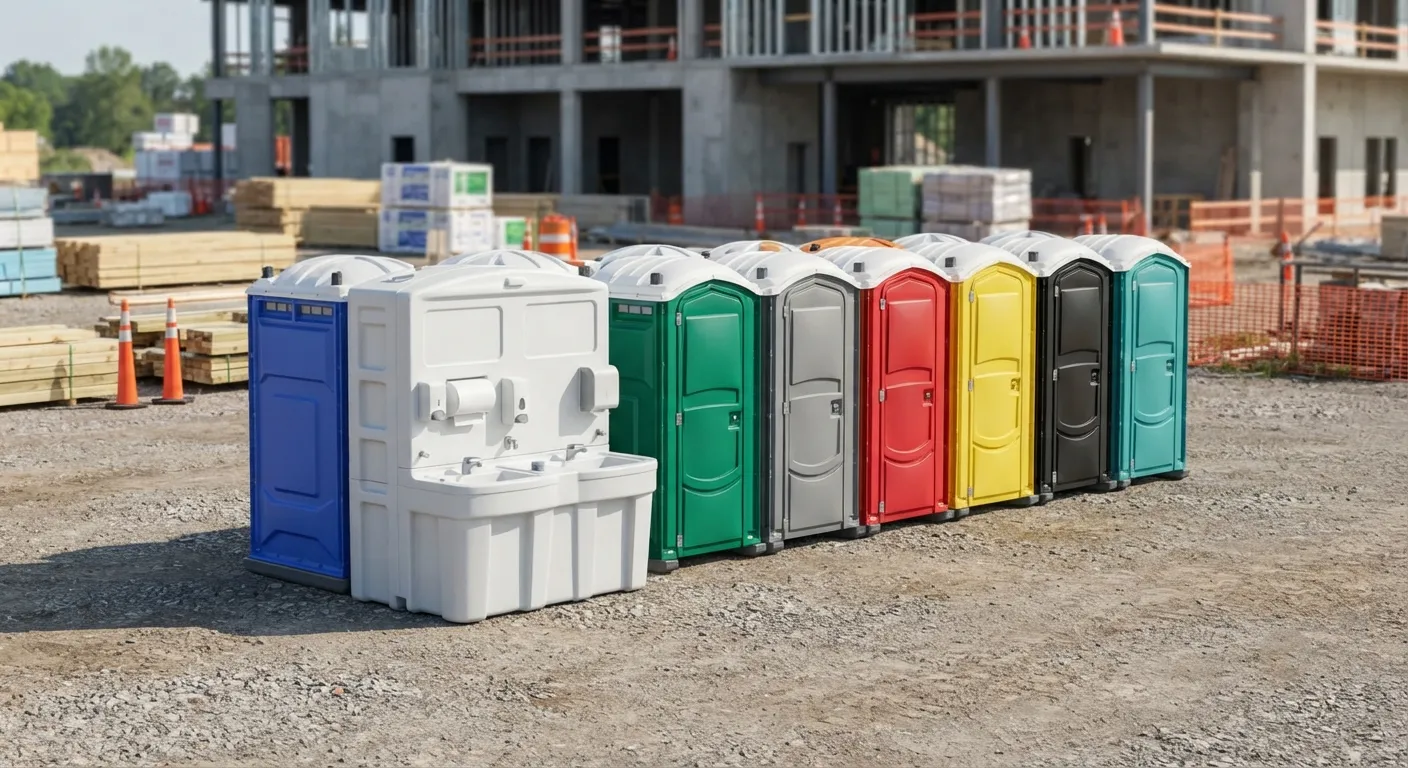
Most residential tanks need pumping every 3 to 5 years, though that range depends heavily on tank size and household size. A larger household putting more water and solids through the system will hit capacity faster than a smaller one with the same size tank. Waiting too long risks solids reaching the drain field, which can mean a far more expensive repair than a routine pump. For a full breakdown of what drives that interval, see how often to pump a septic tank. If you are unsure when your tank was last serviced, a quick inspection can usually tell a technician how close you are to needing pumping. Homeowners outside West Coon Rapids proper, including those near Fridley 8.6 miles south or Brooklyn Center 10.9 miles south, follow the same 3 to 5 year guidance since it is driven by tank size and usage, not location. For temporary sanitation needs during construction or renovation work, such as home renovation porta potty service, a septic pump-out is sometimes scheduled at the same time to clear the system before heavy use begins.
Is septic pumping different from grease trap or holding tank service?
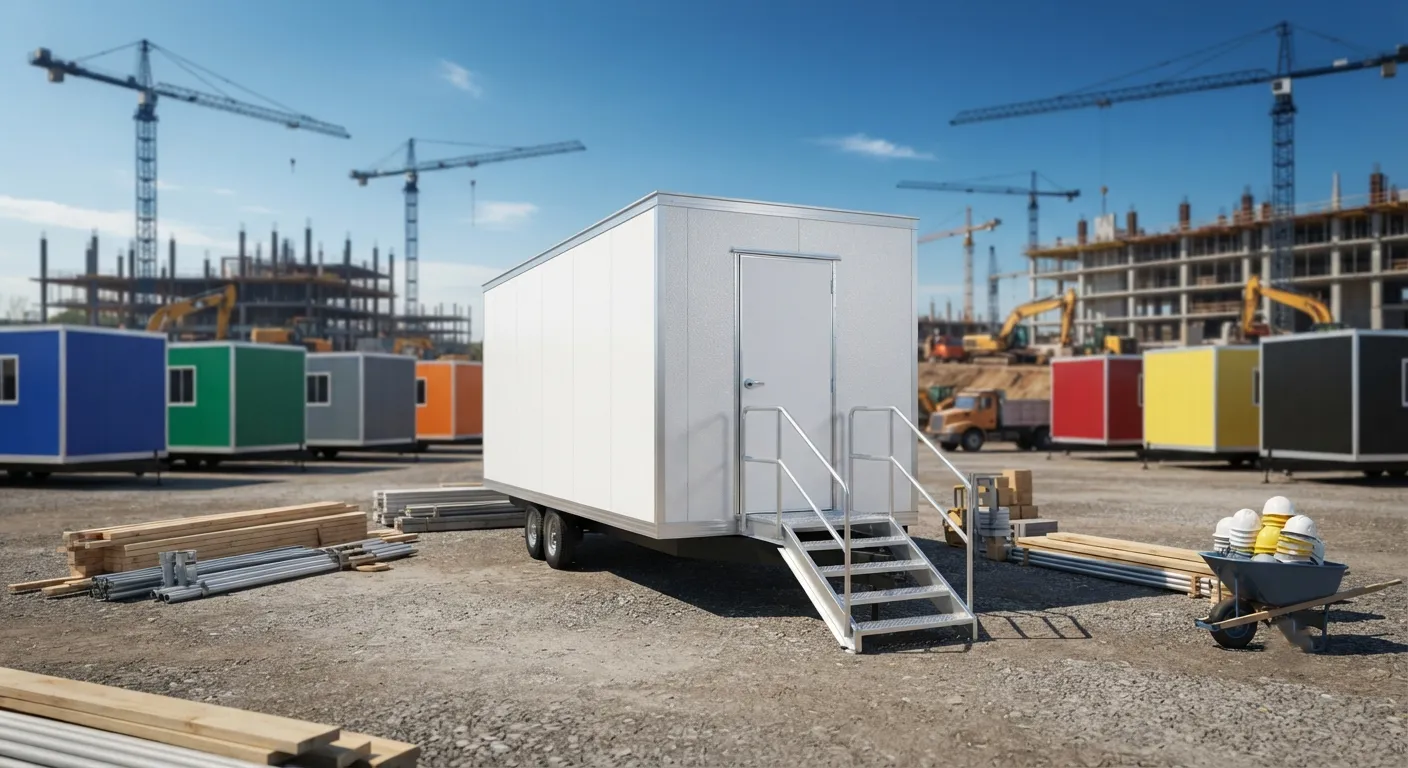
Yes. Septic tank pumping clears solids and sludge from a home's wastewater tank, while grease trap pumping targets fats, oils and grease from commercial kitchens, and a holding tank is a standalone unit with no connection to a drain field. Grease interceptors get pumped once buildup reaches 25 percent of liquid depth, a different trigger than the 3 to 5 year residential septic schedule. If you are running a job site or event and need portable capacity instead of tank service, look at portable restroom rental or a full restroom trailer rental setup rather than septic pumping. Construction crews sometimes need both: a septic pump-out for an existing structure on site, plus portable toilet rental for the crew during the project. Event planners handling a wedding or festival should look at event restroom rental or festival restroom rental instead, since those setups are built for temporary high-traffic use, not tied to a buried tank.
Where can I find septic tank pumping near me in West Coon Rapids?
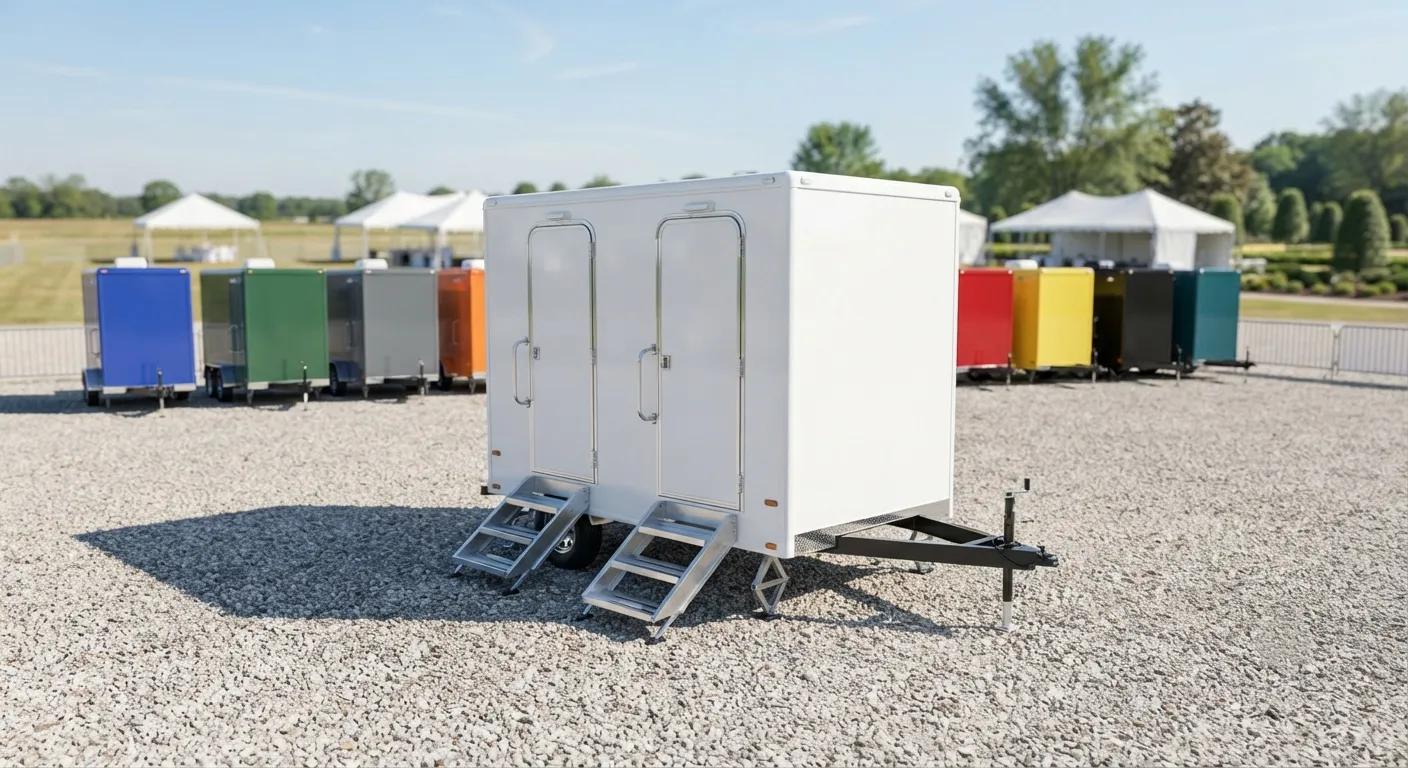
West Coon Rapids Porta Pros services West Coon Rapids directly and covers nearby communities including Ramsey at 11.6 miles northwest. If your property sits closer to one of our other service areas, check service areas for coverage details, or start with septic pumping service for scheduling. Rural and agricultural properties often have larger tanks or additional field sanitation needs; OSHA 1928.110 sets a standard for field sanitation on agricultural sites, calling for one facility per 20 hand-labor employees within a quarter mile walk, which matters if you are running a working farm alongside a residential septic system. For that kind of setup, pair your septic schedule with farm and agricultural restrooms. If your tank service uncovers a bigger problem, like a cracked lid or a failing drain field, ask about septic tank cleaning as a broader service rather than a single pump-out, and request a quote through request a quote so we can scope the job before a crew arrives.
Cost comparison table
| Service | Duration | Low | Typical | High |
|---|---|---|---|---|
| Septic pumping | Day | $150 | $250 | $300 |
| Septic pumping | Weekend | $50 | $100 | $150 |
How much does it cost to pump a 1,000 gallon septic tank?
A 1,000 gallon tank, the most common residential size, generally falls within the standard 150 to 300 dollar day-rate range, with the exact figure depending on access and how much sludge has accumulated since the last service.
How do I know if my septic tank needs pumping?
Slow drains, gurgling pipes, wet spots near the drain field or sewage odor near the tank are common warning signs. See septic tank warning signs for a fuller list before scheduling.
Can I schedule septic pumping on a weekend?
Yes, weekend service is available at a separate rate from weekday calls, generally running higher than a standard weekday appointment due to scheduling demand.
Does tank size change the pumping price?
Yes. Larger tanks and tanks with more buildup take longer to service, which pushes cost toward the higher end of the standard range rather than the low end.
Is grease trap pumping priced the same as septic pumping?
No. Grease trap service is a separate job tied to fat, oil and grease buildup rather than the 3 to 5 year residential septic schedule, so pricing and timing differ. See grease trap pumping for details.
Next step
Get a delivery date
Tell us the address, the dates and the headcount. We size the order and confirm the route.